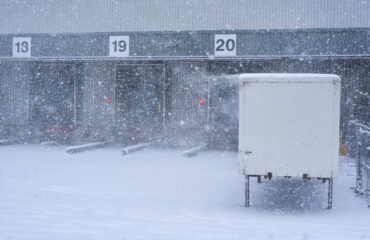
When most people think about commercial heating, they picture an entire building being warmed by a central system. While whole-building comfort is important, many facility managers face a much more specific challenge: keeping a particular area comfortable. Whether it is a workstation near a loading dock, a receiving area exposed to outdoor air, or a service counter located by frequently opening doors, comfort problems often occur in isolated locations rather than throughout an entire facility.
These localized cold spots can create meaningful challenges. Employees working in cooler areas may become distracted, less comfortable, and more likely to raise concerns about workplace conditions. Increasing the temperature throughout the entire facility simply to address one cold area is often inefficient and expensive.
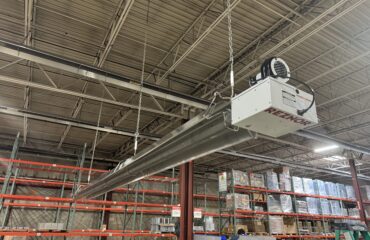
This is where supplemental electric heat can provide a practical solution. Rather than adding more heat everywhere, electric heating products can deliver targeted warmth exactly where it is needed. By focusing heat on occupied zones, facilities can improve employee comfort while maintaining efficient operation of their primary heating systems.
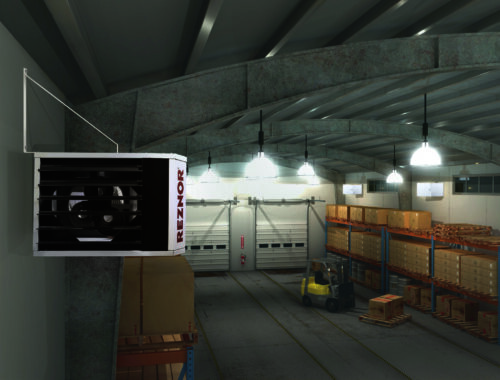
Many applications are ideal candidates for supplemental electric heat. Manufacturing facilities frequently have assembly stations located near large doors. Warehouses often experience temperature differences between storage areas and employee workspaces. Automotive service centers, retail entrances, maintenance shops, and security stations can all develop persistent cold spots that affect daily operations.
Another advantage of electric heat is flexibility. Units like the EUHC compact electric unit heater can often be installed without major changes to existing heating infrastructure. This allows facilities to solve comfort challenges quickly and cost effectively. Instead of investing in a complete heating system upgrade, organizations can address specific concerns with a targeted approach.

For facility managers, the goal is not simply providing more heat. The goal is providing the right heat in the right place. Supplemental electric heating helps organizations accomplish that by creating comfortable working environments where employees spend their time.